
What is Extended Producer Responsibility (EPR)?
Extended Producer Responsibility (EPR) is a principle under which companies that place certain products or packaging on the market must contribute to preventing waste and managing these products at the end of their life
In practice, if EPR applies to your company, you must contribute to the prevention and end-of-life management of these products: collection, sorting, reuse, repair, recycling, or appropriate treatment.
EPR is governed by the French Environmental Code, specifically Article L.541-10, which defines the principle of extended producer responsibility.
A simple principle: whoever places a product on the market contributes
Extended Producer Responsibility (EPR) is based on the “polluter pays” principle. The idea is simple: when you place a product or packaging on the French market, you also contribute to managing its end-of-life.
This helps fund practical actions:
- Collection of used products;
- Sorting them;
- Reuse them whenever possible
- Recycling them;
- Appropriate waste treatment.
Extended Producer Responsibility (EPR) therefore does not apply only when a product becomes waste.
It also encourages the design of products that are more durable, repairable, reusable, or recyclable.
How can you comply with Extended Producer Responsibility (EPR) requirements?
If this applies to you, there are generally two ways to fulfill your obligations:
- By joining an approved producer responsibility organisation (PRO) for the relevant EPR scheme;
- Or by setting up an individual system, where permitted and approved by the public authorities.
In practice, joining a producer responsibility organisation (PRO) is often the simplest solution. You then pay an EPR fee, which is used to organise or finance the end-of-life management of products.
Why does Extended Producer Responsibility (EPR) exist?
Extended Producer Responsibility (EPR) has several objectives:
- Reduce waste by promoting durability and reuse;
- Improve collection and recycling;
- Promote repair and reuse;
- Promote eco-design
- Support the transition to a circular economy.
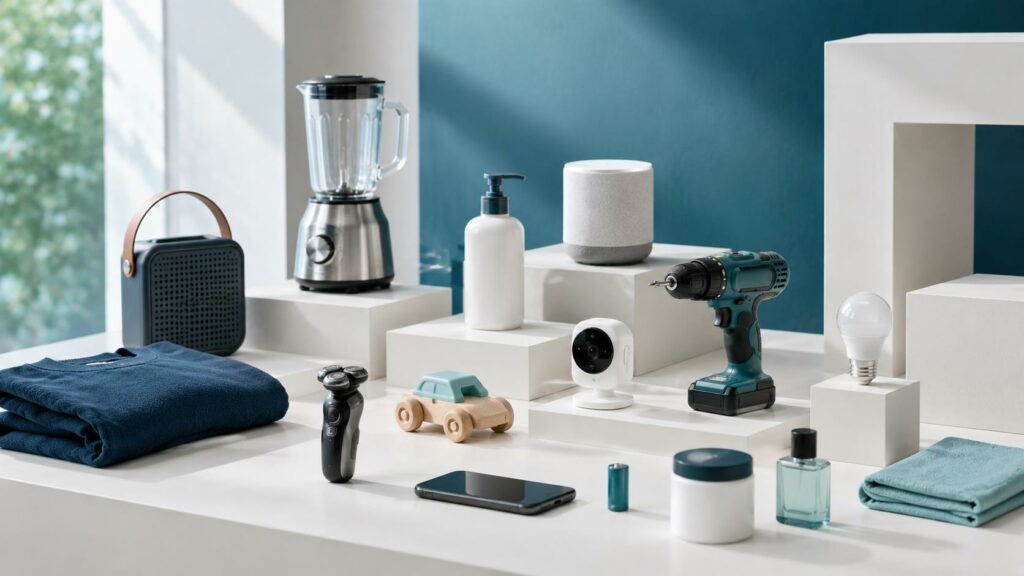
It also helps structure dedicated EPR schemes by product category, such as batteries, electrical and electronic equipment, photovoltaic panels, sports and leisure goods, thermal-powered DIY and gardening equipment, professional packaging, textiles, furniture and toys.
Key Takeaways
Extended Producer Responsibility (EPR) means that your responsibility does not end with the sale of a product. If you place a product or packaging covered by an EPR scheme on the French market, you must contribute to managing its end-of-life.

